
Each facade material requires specific cleaning approaches to achieve thorough contamination removal while protecting surface integrity. Our services address the unique characteristics of different building materials.
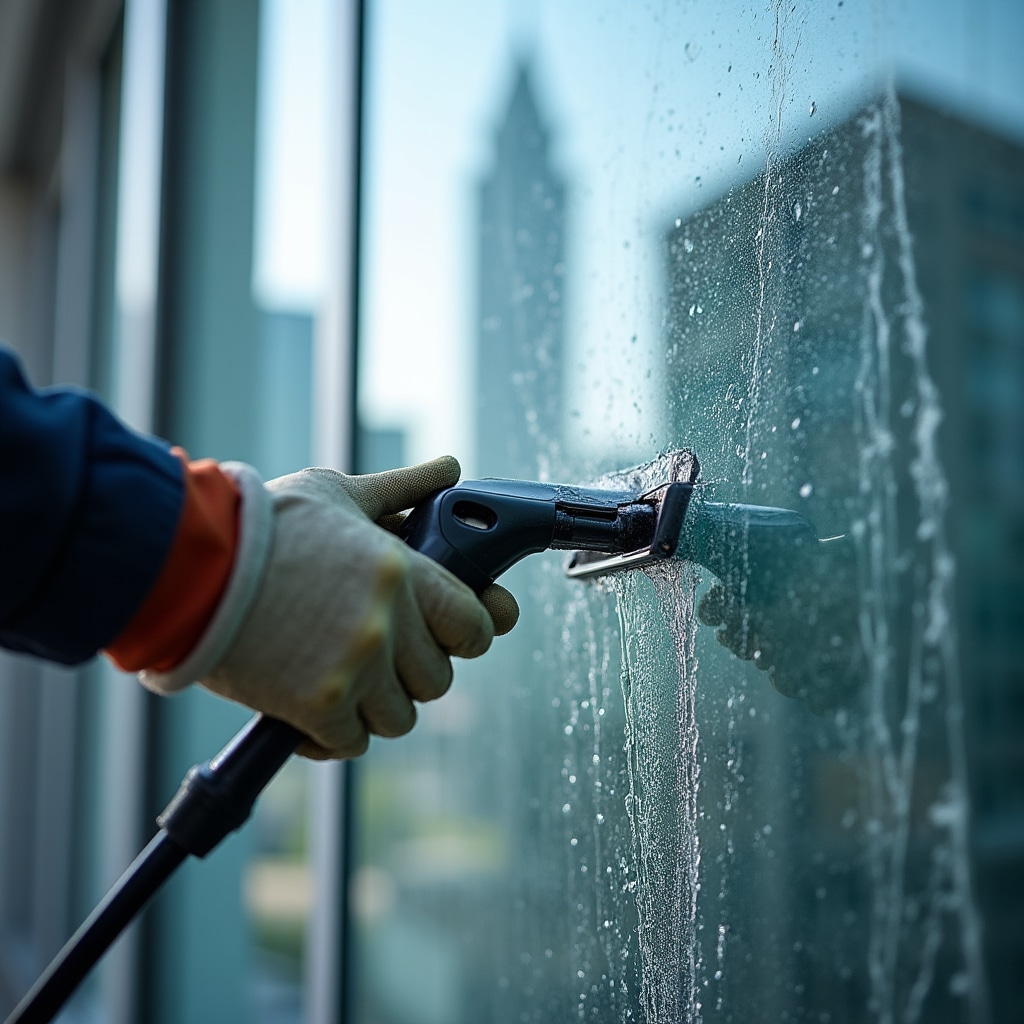
Glass facades accumulate water deposits, atmospheric pollution films, and construction residues that reduce transparency and affect building appearance. Our cleaning approach removes these contaminants without damaging seals or gaskets.
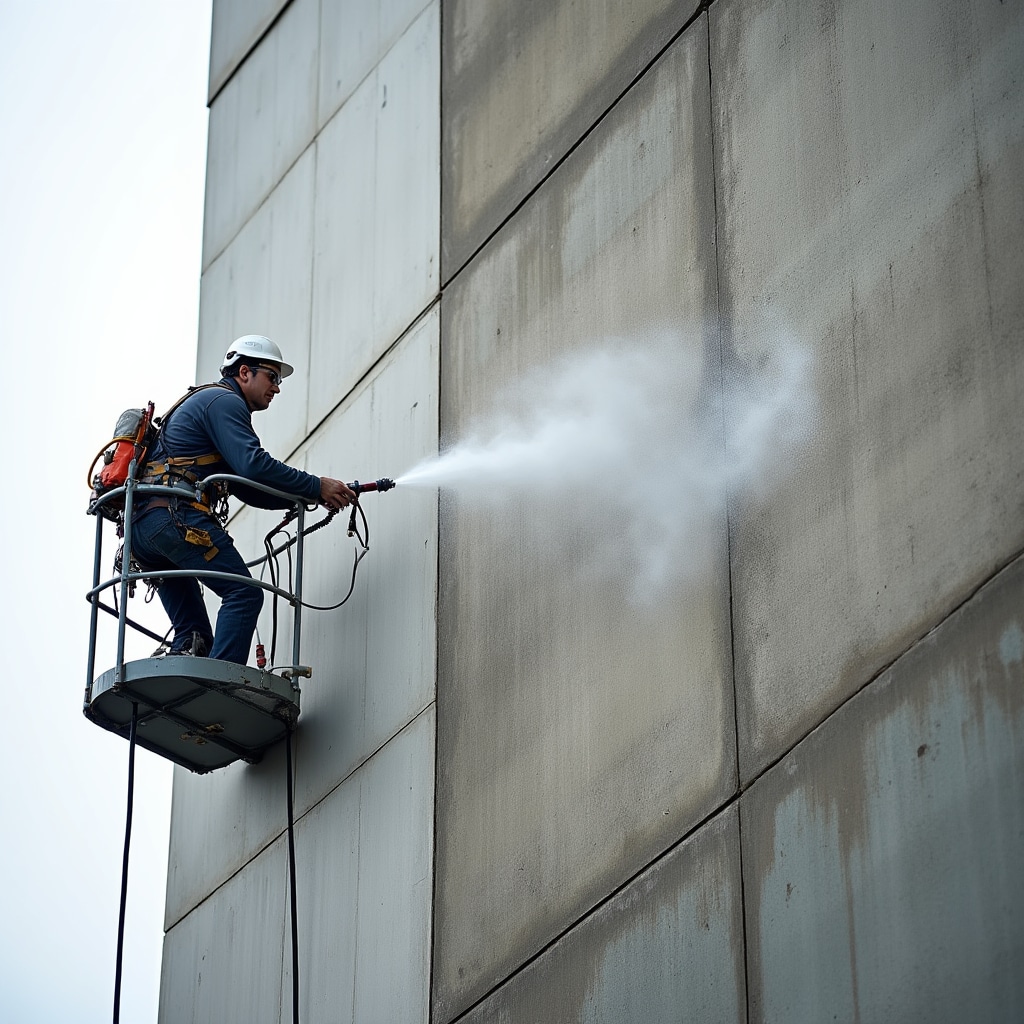
Exposed concrete surfaces develop biological growth, pollution staining, and salt efflorescence over time. These deposits require careful removal to preserve the concrete texture and prevent surface erosion.
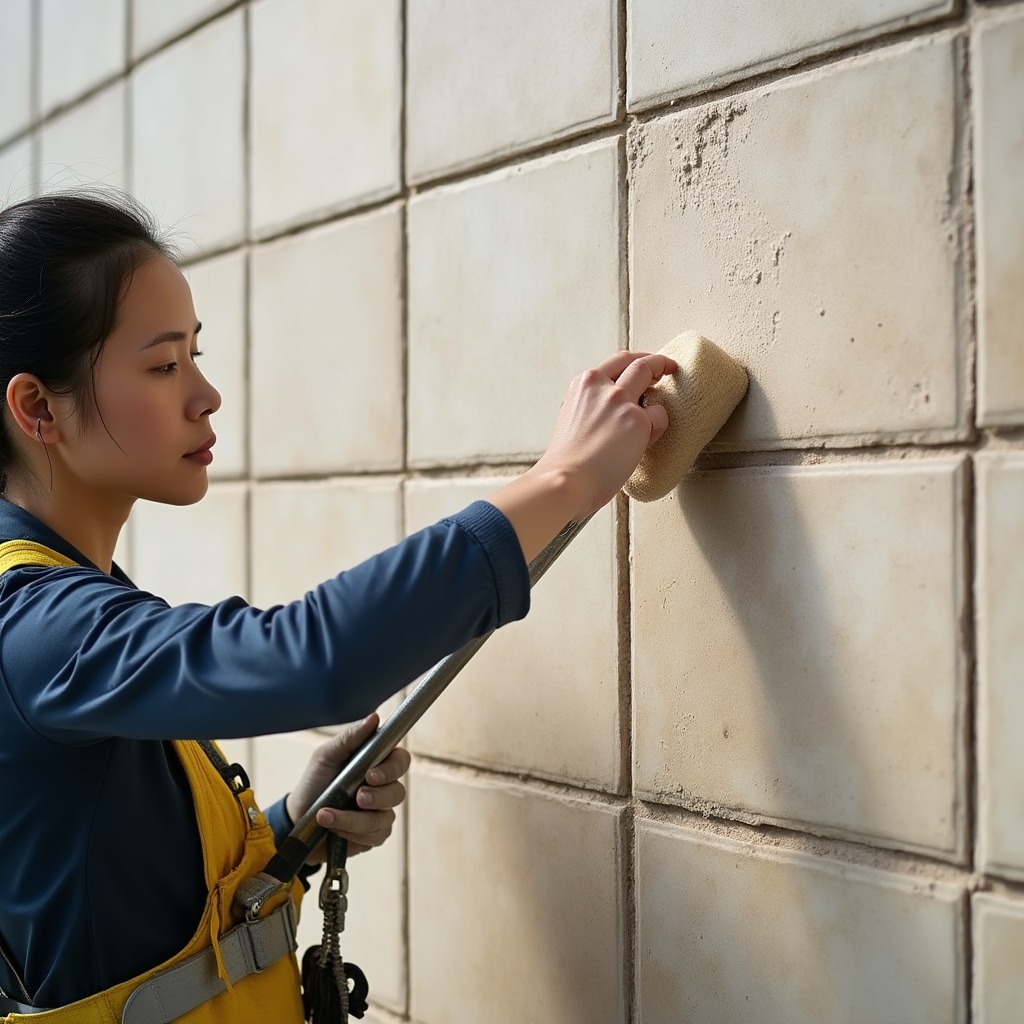
Ceramic facades require cleaning methods that address surface contamination while protecting grout lines and tile adhesion. Our approach maintains joint integrity throughout the cleaning process.
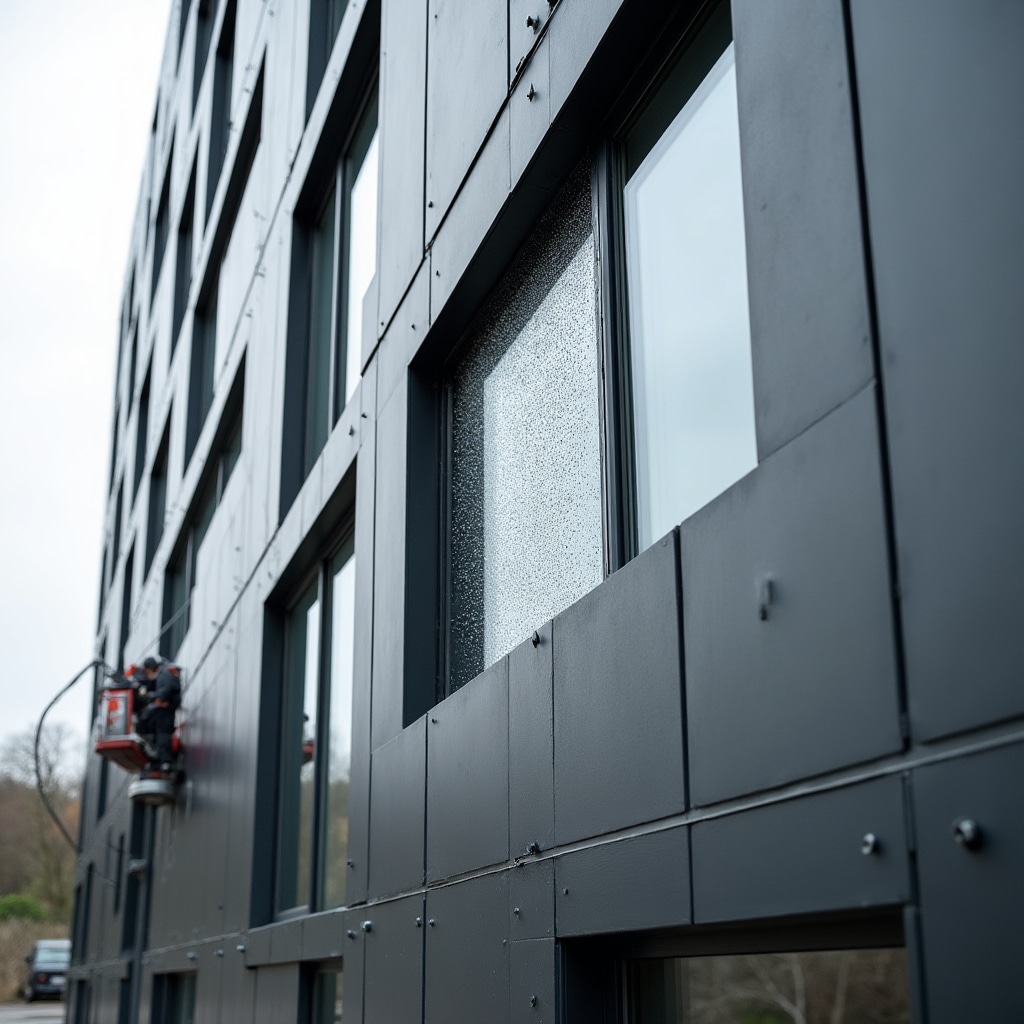
Ventilated facades feature panel systems with concealed attachment mechanisms. Cleaning requires awareness of panel boundaries, joint locations, and drainage paths to avoid water infiltration.
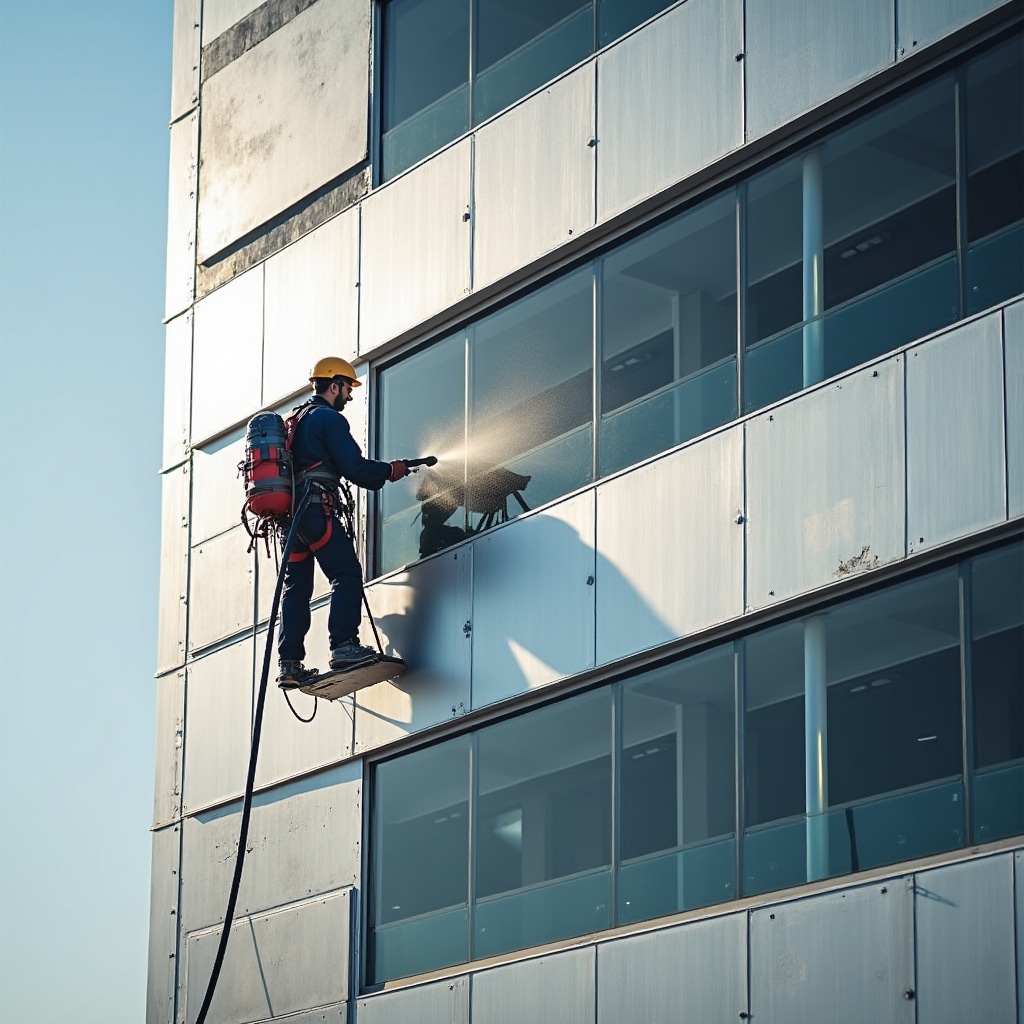
Metal cladding systems including aluminum composite panels and steel surfaces develop oxidation staining and atmospheric deposits. Our cleaning preserves protective coatings while removing contamination.
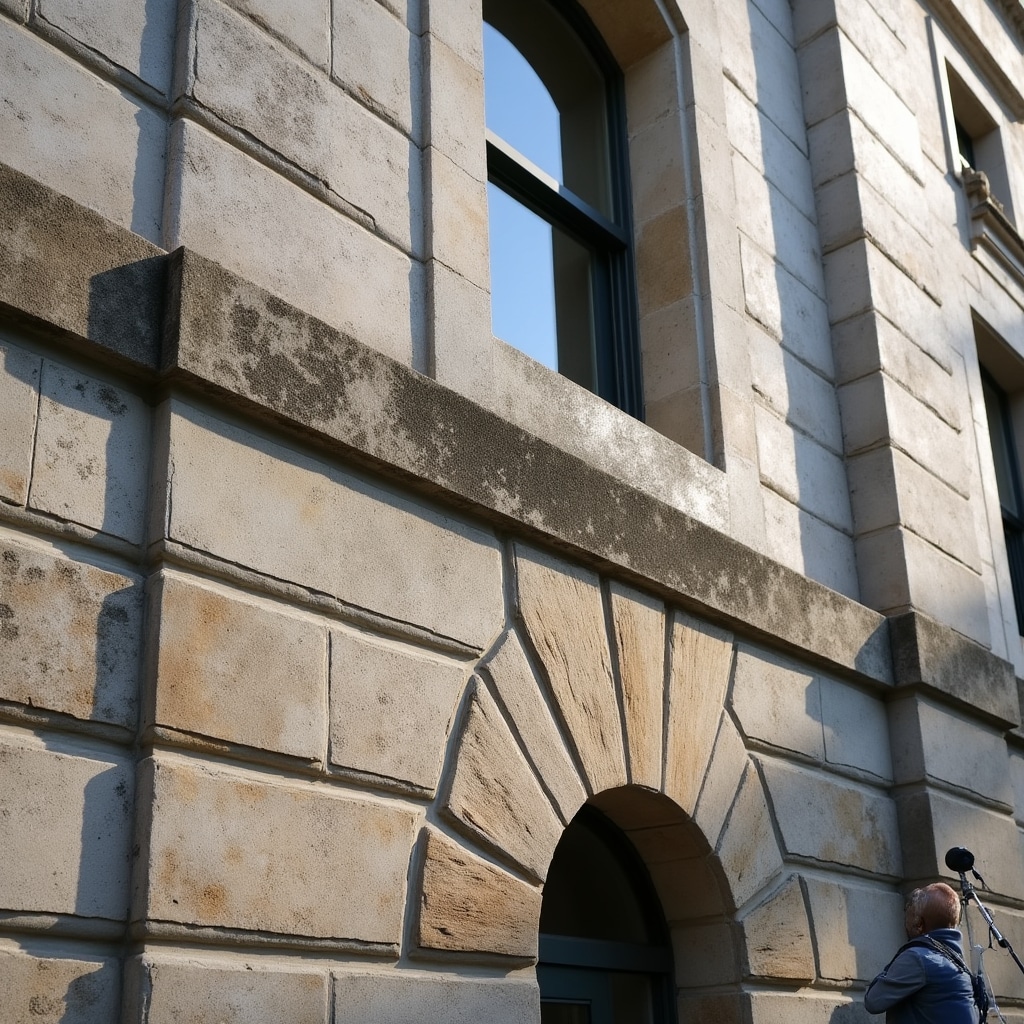
Stone facades including granite, marble, and limestone require cleaning methods matched to stone porosity and mineral composition. Our approach addresses biological growth and staining while respecting stone characteristics.
Carbon deposits, industrial emissions, and vehicle exhaust create dark films on facade surfaces. These deposits bond chemically to building materials and require specific cleaning agents for removal.
Algae, moss, and lichen establish on facade surfaces in humid conditions. These organisms penetrate surface pores and require biocide treatment followed by mechanical removal.
Mineral deposits from rainwater runoff create visible streaking on facades. These calcium and magnesium compounds require acidic cleaning solutions for dissolution.
Soluble salts migrate through porous materials and crystallize on surfaces. Efflorescence removal requires water-based extraction followed by surface drying to prevent recurrence.
Mortar splatter, concrete dust, and protective film adhesive remain on facades after construction. These materials require mechanical and chemical removal methods specific to each residue type.
Dust, pollen, and organic debris accumulate in facade details and surface texture. Regular cleaning prevents deposit buildup that can lead to permanent staining.
Our technicians follow a systematic approach to determine appropriate cleaning methods for each facade section:
We examine facade composition to understand surface characteristics, protective coatings, and material vulnerabilities that influence cleaning method selection.
Different contaminants require specific removal approaches. We identify deposit types and their bonding mechanisms to select effective cleaning agents.
Before proceeding with full cleaning, we test selected methods on small inconspicuous areas to verify effectiveness and confirm surface compatibility.
Based on test results, we establish cleaning parameters including chemical concentration, application time, pressure settings, and rinsing procedures.
Contact our team to schedule a facade assessment and receive recommendations for cleaning methods appropriate to your building materials.
Request Consultation